In Situ Conservation is Front and Center at the 2026 Native Orchid Conference in Green Bay, WI, U.S.A.

by Benjamin Crain.
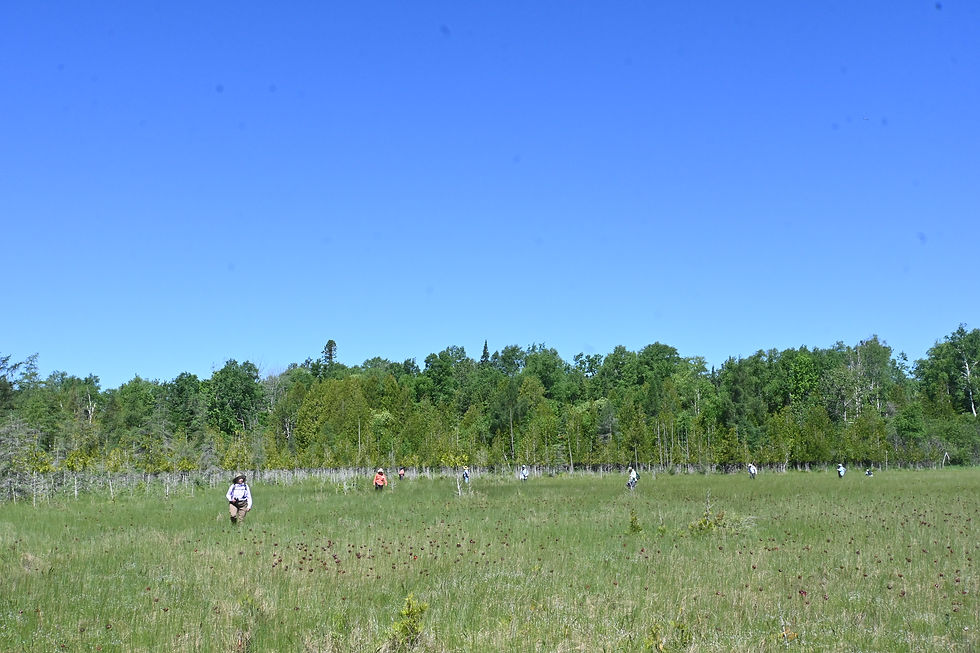
In situ orchid conservation was a central theme throughout the 2026 Native Orchid Conference, which was held at the Northeast Wisconsin Technical College in Green Bay, and included several visits to native orchid sites throughout Door and Marinette Counties. The annual meeting was preceded by a workshop hosted by the Smithsonian’s North American Orchid Conservation Center on the assembly and deployment of camera traps designed to help identify orchid pollinators in the field (day or night). Presenters at the meeting, which included members of the IUCN Orchid Specialist Group, covered a breadth of themes deeply relevant to in situ orchid conservation that included topics ranging from active restoration activities on prairie, wetland, and oak savanna communities to preserve and promote orchid populations on formerly grazed lands, to laboratory based micropropagation efforts for reintroduction programs. Other subjects discussed included interdisciplinary orchid conservation on tropical islands and work with endangered species in Florida. One noteworthy set of speakers specifically highlighted the critical role of diverse stakeholders, ranging from community volunteers to students and professional scientists, for conservation efforts in one of Wisconsin’s most diverse (and impressive) orchid communities located along the Lake Michigan shoreline. And while the primary purpose of the Native Orchid Conference is to foster the study, conservation, and enjoyment of the native orchids of the United States and Canada, presentations on other highly enlightening topics, including the geological, botanical, and cultural attributes/histories of Wisconsin, assuredly bolstered attendees’ overall understanding and appreciation of the region’s orchids, but also other significant plant species in the state, like wild rice, as well as broader natural communities in the area. In addition to the exceptional lecture series, the conference hosted several field outings that included visits to unique habitats at the Ridges Sanctuary, Kellner Fen, and other “roadside” sites. Attendees were blessed with sitings of four species of slipper orchids (Cypripedium spp.), Dragon’s Mouth (Arethusa bulbosa), two species of Coral Roots (Corralorhiza spp.), and Shining Ladies Tresses (Spiranthes lucida) among various other rare and unique plant and animal species. Bonus highlights included fortuitous opportunities to engage with local landowners and community members who were unaware of the orchids on their property edges (and who vowed to protect them) and plans for new collaborative conservation studies. Overall, the Native Orchid Conference continues to advance very tangible outcomes of orchid conservation efforts and promises to offer more to come.




Comments